
Sensory Play Activities for Kids with Autism
Children with autism often experience the world differently through their senses. Sounds may feel louder, textures may feel uncomfortable, or certain smells may feel overwhelming. These sensory challenges can make everyday activities difficult for many children on the autism spectrum.
One helpful way to support children with autism is through sensory play. Sensory activities engage a child’s senses—sight, sound, smell, taste, and touch—helping them explore their environment in a safe and enjoyable way. These activities can also help improve emotional regulation, focus, and developmental skills.
In this article, we will explore simple sensory play ideas that parents can try at home, especially during summer when children may have more free time.

Understanding Sensory Processing in Autism
Many children with Autism Spectrum Disorder (ASD) experience Sensory Processing Disorder (SPD). This means their brain may have difficulty processing sensory information from their environment.
According to research published in the American Journal of Occupational Therapy, a large percentage of children with autism show some level of sensory processing differences. These sensory challenges may cause children to become overstimulated, anxious, or easily distracted.
Common sensory challenges include:
- Sensitivity to loud noises
- Discomfort with certain textures
- Difficulty tolerating strong smells
- Food selectivity or picky eating
- Trouble regulating emotions in stimulating environments
Sensory play helps children gradually become more comfortable with different sensations while also supporting learning and development.
Benefits of Sensory Play for Children with Autism
Sensory play is more than just fun—it plays an important role in a child’s development.
Some key benefits include:
Improves sensory processing
Children learn to understand and manage sensory input more effectively.
Supports emotional regulation
Calming activities can help children reduce stress and anxiety.
Encourages exploration and curiosity
Children feel safe experimenting with different textures, sounds, and colors.
Develops motor skills
Hands-on activities strengthen both fine motor and coordination skills.
Supports cognitive development
Sorting, observing, and experimenting help build problem-solving abilities.
These benefits make sensory play a valuable activity for children with autism both at home and in therapy settings.
5 Sensory Play Activities for Kids with Autism
Below are five simple sensory play ideas that parents can try at home using everyday materials.
1. Lava Lamp in a Bag (Visual Sensory Play)
This activity stimulates the sense of sight and encourages visual tracking.
Materials
- Baby oil
- Liquid food coloring
- Water
- Resealable plastic bag
How it works
Fill a zip bag about one-quarter full with baby oil. Add a few drops of food coloring and a small amount of water. Seal the bag tightly and let the child gently move the liquid around.
As the oil and water separate and mix again, colorful patterns appear. Children can watch the movement and create new shapes with their hands.
Benefits
- Improves visual tracking skills
- Encourages hand-eye coordination
- Provides a calming visual experience
2. Lavender Rice Sensory Bin (Smell Sensory Play)
This activity stimulates the sense of smell and provides a relaxing sensory experience.
Materials
- Uncooked rice
- Lavender essential oil
- Purple food coloring
- Container or sensory bin
How it works
Mix uncooked rice with a few drops of food coloring and lavender oil. Place the scented rice in a container and allow the child to run their hands through it.
Children can scoop, pour, and explore the rice while enjoying the calming scent.
Benefits
- Promotes relaxation
- Reduces anxiety
- Encourages tactile exploration
Aromatherapy scents such as lavender can also help children feel calmer during stressful or transitional moments.
3. Rainstorm Sensory Bottle (Auditory Sensory Play)
This activity engages the sense of hearing.
Materials
- Two clear plastic cups
- Cotton balls
- Toothpicks
- Rice
- Glue
How it works
Place cotton balls and toothpicks inside the cups, then add rice. Glue the cups together securely to create a sealed container.
When the child turns the bottle upside down, the rice falls slowly and creates a gentle rain-like sound.
Benefits
- Helps children explore different sounds
- Supports auditory processing
- Encourages cause-and-effect learning
Auditory processing differences are common in children with autism, making sound-based sensory activities especially helpful.
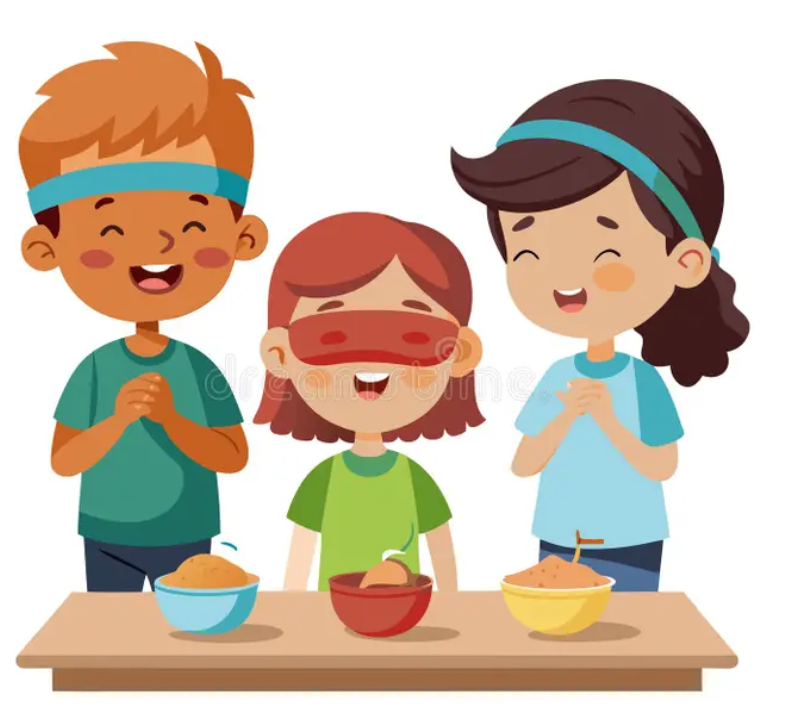
4. Food Sorting Game (Taste Sensory Play)
This activity encourages children to explore the sense of taste.
Materials
Choose foods with different colors, shapes, and flavors, such as:
- Cereal
- Crackers
- Berries
- Citrus slices
How it works
Place the foods on a table and ask the child to sort them by color, shape, or taste.
For example:
- Round foods vs. square foods
- Sweet foods vs. sour foods
- Red foods vs. yellow foods
Benefits
- Encourages children to try new foods
- Supports cognitive skills like sorting and categorizing
- Reduces anxiety around unfamiliar foods
5. Fizzy Cloud Dough (Touch Sensory Play)
This activity focuses on the sense of touch.
Materials
- All-purpose flour
- Vegetable oil
- Food coloring
- Vinegar (optional)
How it works
Mix flour and vegetable oil together to create a soft dough texture similar to kinetic sand. Children can squeeze, mold, and shape the dough.
For added excitement, pour vinegar onto the dough to create a fizzy reaction.
Benefits
- Encourages tactile exploration
- Builds sensory confidence
- Improves fine motor skills
Tips for Choosing the Right Sensory Activity
Every child with autism is unique, so what works for one child may not work for another.
Here are some helpful tips:
Start slowly
Introduce new sensory experiences gradually.
Observe your child’s reactions
Notice which activities calm or excite your child.
Maintain consistency
Regular sensory activities can help children feel more comfortable over time.
Seek professional guidance
Occupational therapists and teachers can recommend sensory activities that match your child’s needs.
Final Thoughts
Sensory play can be a powerful tool for helping children with autism explore and understand the world around them. By engaging sight, sound, smell, taste, and touch, these activities support learning, emotional regulation, and developmental growth.
With patience, creativity, and supervision, parents can turn simple everyday materials into meaningful sensory experiences that help children feel more confident and comfortable in their environment.
Disclaimer:
This article is for educational purposes only and should not replace professional medical advice. Always consult a qualified healthcare professional regarding your child’s developmental needs.